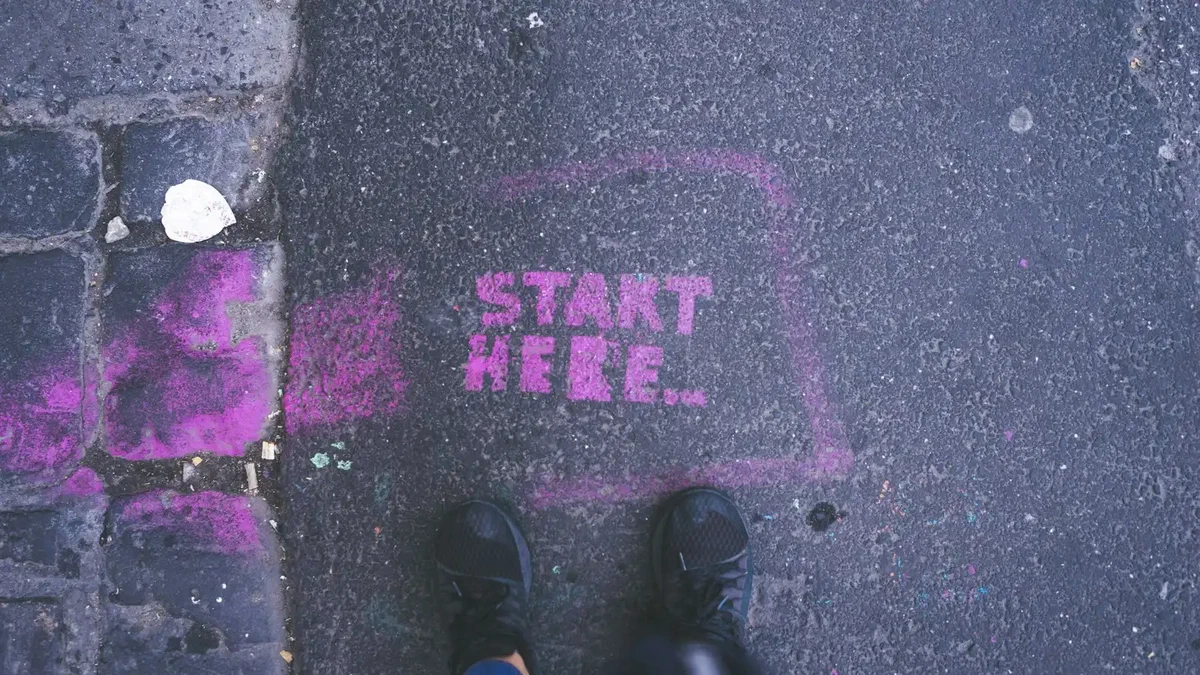
Getting started on Tessolari
A friendly walk through signing up, building a profile, and finding your first match on Tessolari — at the pace that suits you.
Welcome. If you’ve just signed up to Tessolari, or you’re thinking about it, this is the post we wish we could hand to every new member with a cup of tea. Nothing here is urgent, and you don’t have to do it all in one sitting. The platform is built so you can dip in, do a step, leave, and come back later.
What Tessolari is for
We’re a peer support platform for the small, practical things that make day-to-day life easier: form-filling, online admin, friendly check-ins, tutoring, skill-sharing, and the occasional bit of company at an appointment. Most members are neurodivergent. Many also offer support to others. Some are family, friends, or allies who simply want to help.
You don’t need a diagnosis to be here, you don’t need to disclose anything you don’t want to, and you don’t have to call yourself anything in particular. The platform is the tessera (the small piece), and you’re the one fitting it where it makes sense in your life.
Sign up and tell us why you're here
The first step is a short onboarding wizard. It asks why you’re using the platform: are you mostly looking for help, mostly offering it, or a bit of both? That single answer shapes the rest of the experience: what you see, what we ask you next, and which sections of the wizard appear.
Every step is optional. You can skip a step you’d rather not answer right now and come back to it later. Progress is saved as you go, so leaving the page and returning the next day picks up where you left off. There’s no time pressure and no judgement about how complete a profile is when you finish.
Build a profile that helps people find you
Profiles on Tessolari include the usual basics (display name, a short bio, optional photo, optional address) and three sets of tags that help with matching: the neurotypes that apply to you, the traits that shape how you work and live, and what you’re looking for or offering. The traits and tag lists are the same vocabulary used across the site, so a person who lists themselves as offering “form-filling” will turn up if someone else searches for “form-filling”.
Tagging is honest, not exhaustive. Pick what applies. You can edit any of this any time, and you don’t have to add a profile photo or address to use the platform — they help, but they’re not required.
Find your people
Once you’ve told us a little, two pages do most of the heavy lifting. Find people lets you browse profiles, filter by neurotype, traits, what someone offers or what they’re looking for. Browse services does the same for listings. Click any pill on a profile or a listing and you’ll jump to people offering exactly that. A seeking tag links to people offering the same thing, and vice versa.
There’s no algorithm sorting you into bubbles. Filters are explicit, results are ordered by Ally score (more on that below), and you can always start from the full list and narrow down.
Post your first listing or request
When you’re ready, the Post a listing wizard takes about two minutes. It asks the type (offering or requesting), the category, a short title and description, and a price. Use £0 if you want to offer a service free of charge. There’s no platform fee on free listings, and it’s a first-class option, not an afterthought.
For sensitive in-person work like medication reminders, hygiene check-ins, or chaperoning, the wizard offers a DBS-required tick-box. This signals that whoever takes the listing should be DBS-checked, and our verification flow surfaces it on their profile.
Reviews, the Ally score, and what builds trust
After a service has been used, members can leave a short rating — high, medium, or low — with optional comments. Reviews appear on the listing and on the reviewee’s profile. They’re factual rather than effusive, and we don’t edit them.
Each profile also carries an Ally score. It rewards completeness (a bio, a photo, an address, a phone number), verification (a current DBS where relevant), activity (listings posted), and reviews received. It’s a hint, not a verdict. A low score often just means someone is new. Use it as one signal among many.
That’s everything you need to start. Take your time, and come back to this post whenever something is unclear.